Category: Web Development

  • React vs. Angular – Which Framework Fits Your Project Best

    React vs. Angular – Which Framework Fits Your Project Best

    What is Angular?

    What is Angular
    Angular is a complete front end framework created by Google using TypeScript. It delivers tools for routing forms and HTTP client inside the framework itself so developers get ready features. Angular is designed best for enterprise level applications carrying multiple functions. Angular gives stability and strong community support because Google manages its long term updates and fixes.

    Companies that deal with heavy workloads and large scale solutions prefer Angular because it needs less dependency on extra libraries. For such businesses hiring experts who offer Angular JS development services brings more value. The experts save time fine tune the application performance and make sure that the product can handle growth easily without breaking structure in future.

    What is React?

    React is developed under Meta and is not a full framework but a JavaScript library built mainly for user interfaces. React is simple flexible and works light on the system. Developers like it because of its component based design and Virtual DOM that makes rendering faster. React applications look dynamic, fresh and highly interactive compared to traditional methods.

    Because React is easy to learn beginners and startups pick it more often. Many SaaS and e-commerce players build their apps with React due to its speed and smooth UI. Working with professional ReactJS development services improves outcome because they guide in best practices. They also make sure projects scale easily while maintaining long term code quality and upgrades.

    Angular vs. React: Key Differences

    Feature Angular React
    Type Full fledged framework UI library only
    Language TypeScript JavaScript with JSX
    Learning Curve More steep and complex Easier for beginners
    Data Binding Two way binding supported One way data flow
    Performance Stable but heavy in big apps Lightweight with fast render
    Best Use Case Enterprise and structured apps Startups, SaaS and flexible UIs

    Angular fits where product scale is huge and where organization needs structured backbone. React fits where speed, flexibility and faster delivery matter more.

    Which is Better for Your Project

    To decide between Angular and React you must check project decision points like team skills, timeline and budget. If you want ready tools and long term backed support choose Angular. It reduces search for third party libraries and gives everything in one framework. Angular makes sense more for banking insurance or government scale projects.

    If your project has tight deadlines you want flexibility or your plan is for SaaS product then React is more suitable. React gives freedom to select best matching libraries and makes user experience smooth. Startups and fast moving businesses rely on React as it helps them go live quickly without large overheads of learning heavy structure.

    React vs Angular Future: What’s Next

    React is expected to keep growing strongly inside startups e-commerce and SaaS markets because it stays light and developer friendly. The ecosystem grows daily with new packages that increase flexibility. Many modern companies trust React because of its speed in adopting changes and large developer base across the world.

    Angular will remain steady inside large enterprises where regulations structure and scalability matter most. Banks, government departments or manufacturing solutions lean towards Angular because it provides a strict framework with built in security features. Angular has predictable futures because Google stays committed for continuous updates and long term support cycles.

    Both of these technologies will continue side by side. There is no sign of one replacing the other since both solve different problems. Developers will adapt and organizations will decide based on their unique business challenges and development culture.

    Picking the Right Framework


    Angular vs React is less a matter of which is absolutely better and more about which suits your need. Angular is heavy and robust for enterprises. React is flexible and speedy for startups or modern interactive products. Choosing depends on your available team knowledge budget and the size of your solution.

    If you remain unsure then taking advice from professionals like MoreYeahs can be wise. We provide proper guidance to check your business goal and recommend the correct path to speed up your project success. Both frameworks are stable and trusted so whichever you select the outcome will last long. Right selection only ensures you do not over invest your limited resources.

    Frequently Asked Questions

    Which is easier to learn React or Angular?

    React is simple and beginner friendly because it focuses only on user interface. Angular takes more time because it is a complete framework with multiple rules and patterns.

    React vs Angular which is better for enterprise apps

    Angular usually suits enterprise apps best because it gives structured strong and safe solutions. React is more useful for startups fast launches and dynamic web applications.

    Will React replace Angular in future

    No React will not replace Angular because both have different areas. React dominates flexible UI work while Angular dominates enterprise level solutions. Both will stay active for long time.

    Which framework is better for SaaS development

    React is mostly chosen for SaaS because it allows faster interface management. It saves time and integrates well with other third party tools that SaaS companies need.

    Can React and Angular be used together

    In some special cases parts of React and Angular can be combined but normally companies pick one because maintaining both creates more technical difficulty.
  • What Is React Framework? Understanding the Popular JavaScript Library

    What Is React Framework? Understanding the Popular JavaScript Library

    What Is React Framework?

    What Is React Framework
    React is a JavaScript Library that is crucial to building user interfaces. The ReactJS web development framework was created by the makers of Facebook in 2013. Since then, it has become one of the most popular front-end development tools today. So, what is the React framework?Depending on how you are using it, ReactJS Framework is a flexible tool. The word “framework” to its name tends to create confusion regarding whether is React a Framework or not. To function, React comes with additional elements such as Redux or React Router to become a complete framework. Leveraging this flexibility, developers can create complex and scalable applications.

    How React Works?

    How React Works
    For a deeper understanding of what is ReactJS, let’s take you through how it works. React builds user interfaces with small reusable components. To create these components, ReactJS development services use JavaScript XML (JSX). JSX is a unique syntax that blends HTML and JavaScript. This approach allows developers to write declarative code, making UI development intuitive, efficient, and dynamic.

    Key Features of ReactJS

    Key Features of ReactJS
    If you are still wondering if is React a framework or not, take a look at the features of the React JS framework.

    1. Declarative Syntax

    React lets developers customize what the UI should look like, and it takes care of the underlying updates. This approach simplifies development and improves code readability, making it an important feature of the React framework.

    2. Component-Based Architecture

    Component-Based Architecture
    React breaks down the user interface into small, independent components. Developers can reuse these components across the application, ensuring efficiency and reducing repetitive code.

    3. React Hooks

    Hooks allow developers to use state and other advanced features in functional components. They simplify the code structure and make it easier to manage.

    4. SEO Friendliness

    ReactJS Framework enhances the rendering process, improving web applications’ SEO performance, especially when used with tools like Next.js.

    Real-World Applications of React

    Real-World Applications of React
    Many leading companies, today, rely on the ReactJS framework for their applications. Here are some notable examples:

    • Netflix: React optimizes performance, ensuring a seamless viewing experience for millions of users.
    • Airbnb: The platform leverages react to efficiently manage its user interface, providing a smooth user experience.
    • Instagram: React powers the photo-sharing app’s dynamic features, ensuring responsiveness and scalability.
    • Facebook: React was initially created for Facebook’s web platform and continues to play a crucial role in its infrastructure.

    These examples highlight the importance of knowing what is React framework for businesses and its ability to handle applications of any size and complexity.

    Why Is React So Popular?

    Why Is React So Popular
    React has become a favorite among developers for several reasons. Here’s why:

    1. Strong Community Support

    Strong Community Support
    The ReactJS framework boasts a large and active community. Whether you’re just starting or are an experienced developer, you’ll find plenty of helpful resources, tutorials, and solutions to any challenges you encounter.

    2. Rich Ecosystem

    React works well with many other libraries and tools. It integrates seamlessly with state management libraries like Redux and routing systems like React Router, giving developers a complete toolkit. This flexibility makes it a go-to choice for any ReactJS web development company looking to build scalable applications. This is a key reason behind the React framework’s widespread use.

    3. Reusable Components

    React allows developers to build small, reusable components. These components have their logic and can be combined to create complex applications. This saves time and maintains consistency across the app.

    4. Virtual DOM

    React uses a Virtual DOM, which is a lightweight version of the real DOM. When a change occurs, the Virtual DOM updates first and syncs with the real DOM, making React applications faster and more efficient. This optimization is why many ReactJS development companies rely on React to enhance performance in their projects.These features help explain the importance of what is React framework and why many developers choose it for their web development needs.

    Advantages of Using React

    Advantages of Using React
    1. Easy to Learn
    Easy to Learn
    The ReactJS framework has a simple design and offers extensive documentation, making it beginner-friendly. New developers can quickly get up to speed and start building applications.2. Cross-Platform SupportReact isn’t limited to just web development. With React Native, you can use the same principles to build mobile applications, making it a versatile choice for full-stack development.3. Faster DevelopmentReact speeds up the development process with reusable components and clear syntax. Teams can collaborate efficiently by working on individual components, reducing development time.4. High PerformanceThe Virtual DOM ensures that React applications update quickly and perform smoothly, even with complex features. React efficient update mechanism makes applications feel responsive and fast.These advantages are key reasons behind what is React framework’s popularity, offering a robust and efficient approach to modern web development.

    Conclusion

    Now you know, what is React framework and what is the hype all about. In a nutshell, it’s a powerful JavaScript library that helps developers create dynamic, responsive, and scalable user interfaces. Thanks to its component-based design and extensive ecosystem, React has become one of the most popular tools in web development today.Whether you are a novice or you’re a seasoned developer, React makes it easy to build modern, high-performance applications. If you’re ready to dive in or need help with your project, connect with our experts.

    Frequently Asked Questions

    1. Who uses the React framework?
    Companies such as Netflix, Meta, Airbnb, and Shopify use the ReactJS framework to build dynamic and scalable applications.
    2. Is ReactJS a backend framework?
    No, ReactJS is a front-end framework used to build dynamic and interactive user interfaces.
    3. How many frameworks are in React?
    React itself is a library, however, it supports several other frameworks like Next.js and Gatsby, designed for server-side rendering and static sites.
    4. What is ReactJS mainly used for?
    Developers mainly use ReactJS to build dynamic and responsive user interfaces for web applications. ReactJS also allows users to emphasize speed efficiency and scalability.
    5. What is better, Angular or React?
    Choosing between Angular and React depends on your project needs. Angular offers a complete framework, while React provides flexibility as a library. React suits dynamic UIs, whereas Angular excels in enterprise-scale applications.

  • Integrating Microsoft Authentication in WordPress

    Integrating Microsoft Authentication in WordPress

    Begin by introducing the importance of secure user authentication on a WordPress site and the benefits of integrating Microsoft authentication. You cannot totally rely on the username and password; you need to cross check while verifying through Microsoft accounts often includes the multi-factor method.

    1. Enhanced Security:

    Microsoft authentication adds an extra layer of security to your WordPress site. With enhanced security, you can get the surety that authentication validates with. With the multi-factor enhanced security, it adds an extra layer of security.

    2. Single Sign-On (SSO) Convenience:

    Integrating Microsoft authentication enables Single Sign-On, allowing users to log in to your WordPress website using their Microsoft credentials. This improves user experience by reducing passwords they need to remember.

    3. Trusted Identity Provider:

    Microsoft is a trusted and widely used identity provider. Leveraging Microsoft authentication adds credibility to your login process, as users are likely to be familiar and comfortable with Microsoft login interface.

    4. Compliance with Security Standards:

    Microsoft authentication often joins industry standards. Align your authentication process with best practices, provide compliance with data protection and privacy regulations.

    5. Access to Microsoft Graph API:

    Microsoft Graph API allows your WordPress website to access data from Microsoft 365 services. This integration enables features like syncing user profiles, calendar events, or other Microsoft services to provide more integrated and productive user experience. 

    Following is the step-by-step process to configure the setup to Integrate Microsoft Authentication in WordPress

    Step 1: Register Your App in Microsoft Azure:

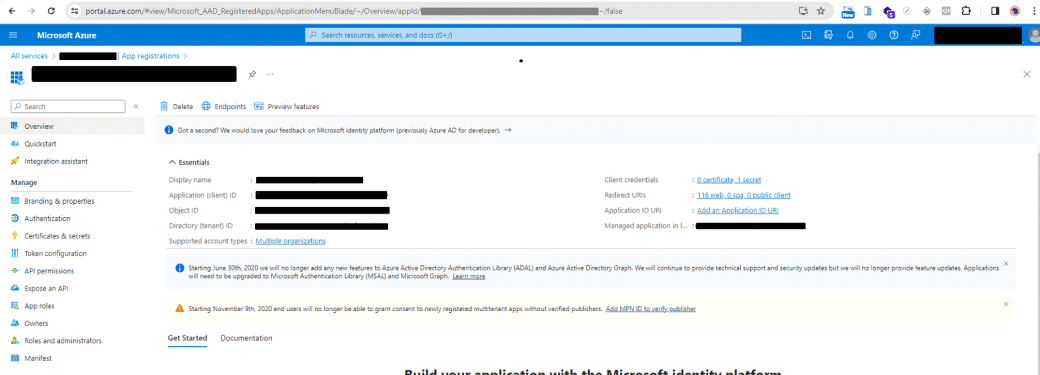
    Go to Microsoft Azure Portal. Navigate to Azure Active Directory section. Register new application and note down the Application ID and Directory ID.

    Step 2: Configure Authentication Settings:

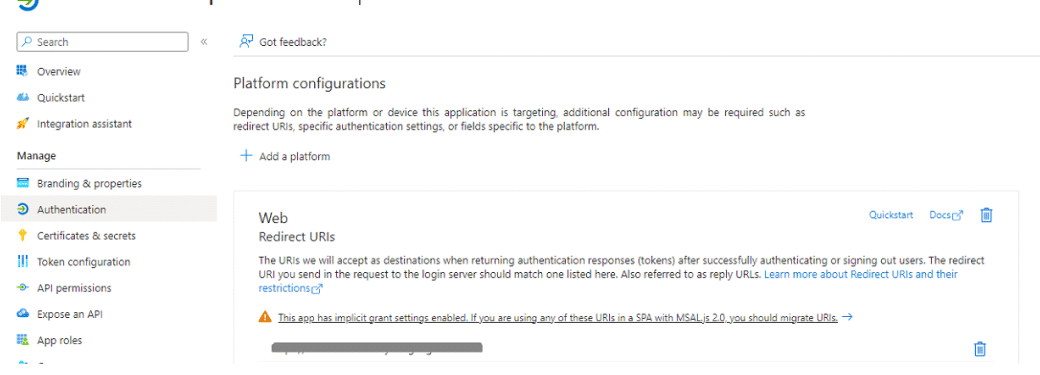
    Go to https://portal.azure.com/ site setup authentication.Set up Redirect URIs for your WordPress site. Configure the necessary permissions for your app, such as user. Read and openid.
    Microsoft Azure
    Microsoft Authentication

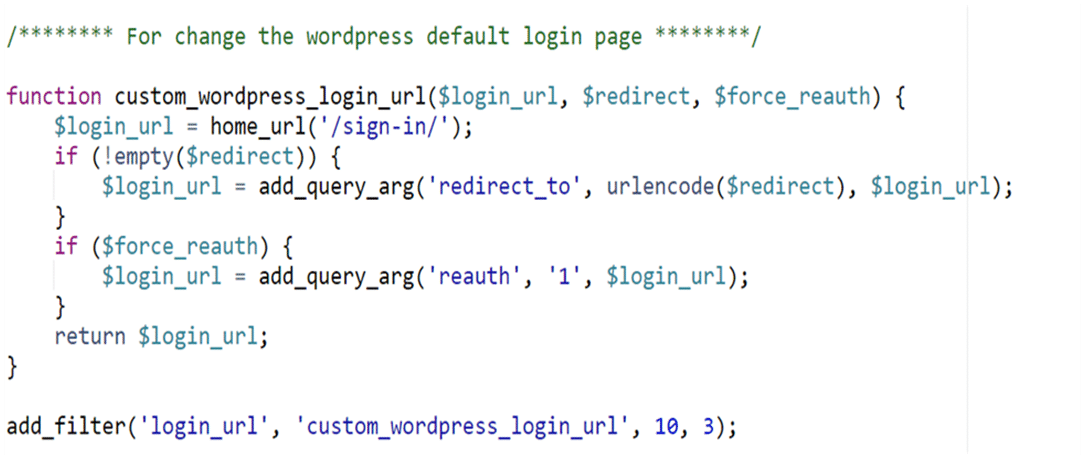
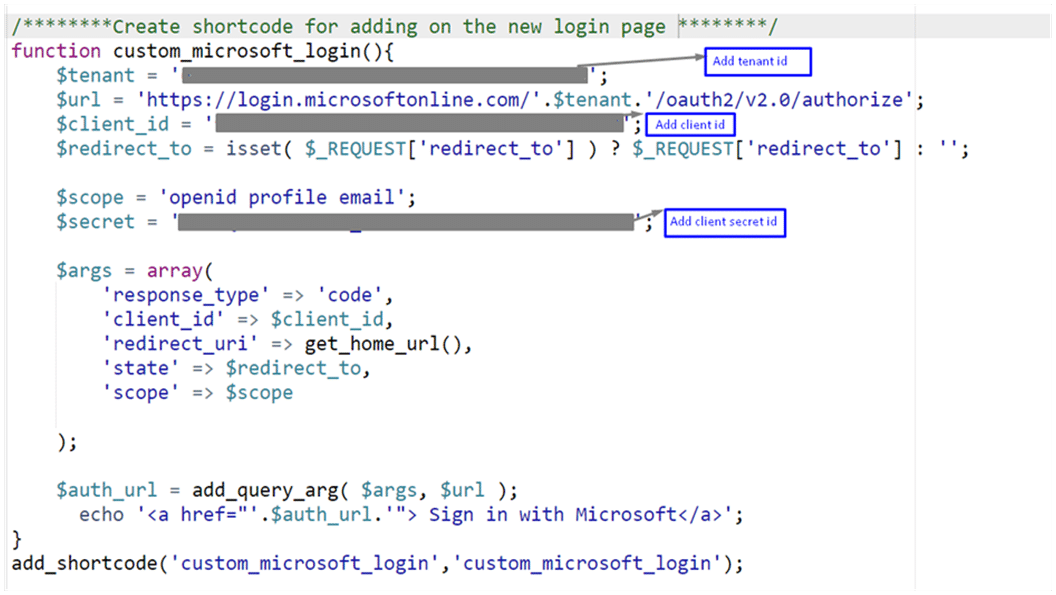
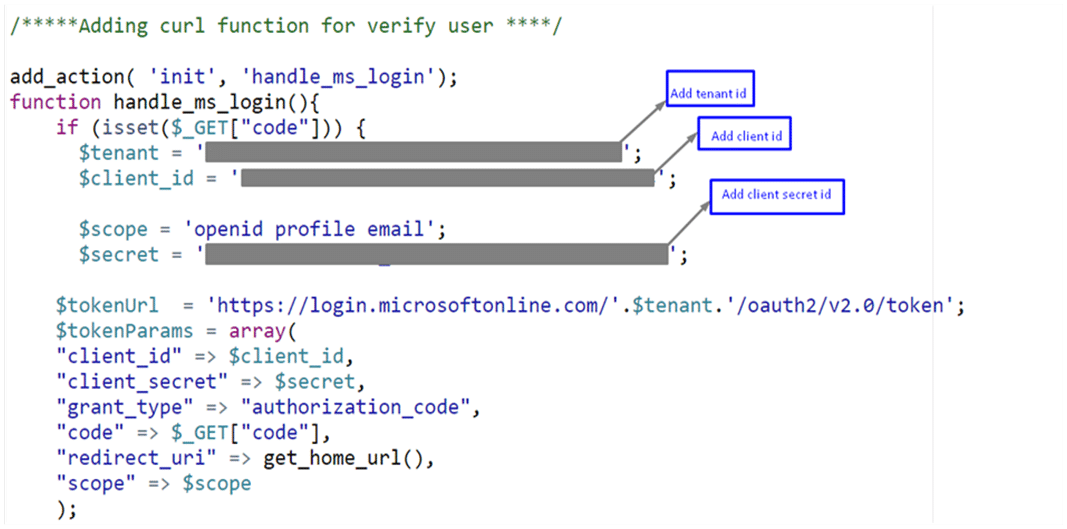
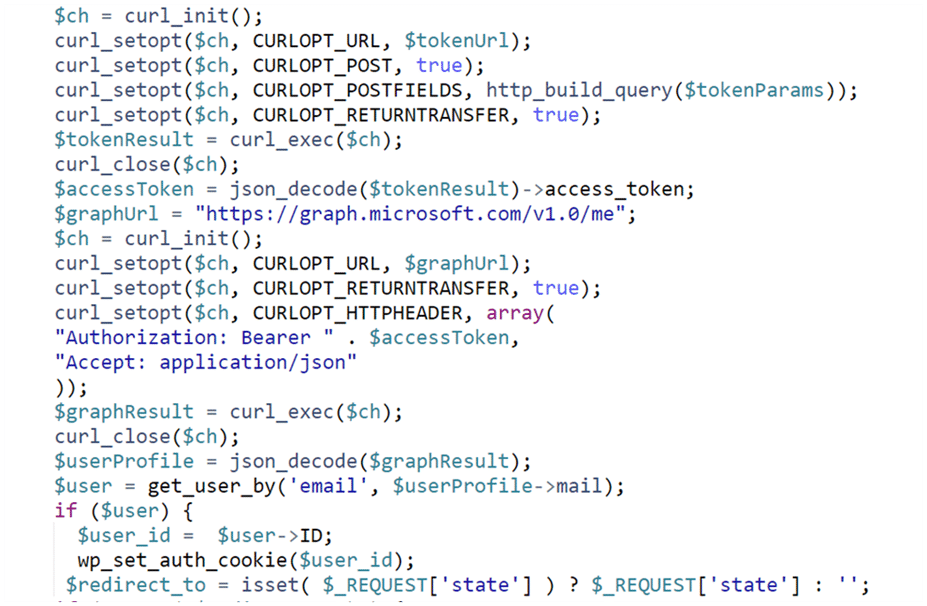
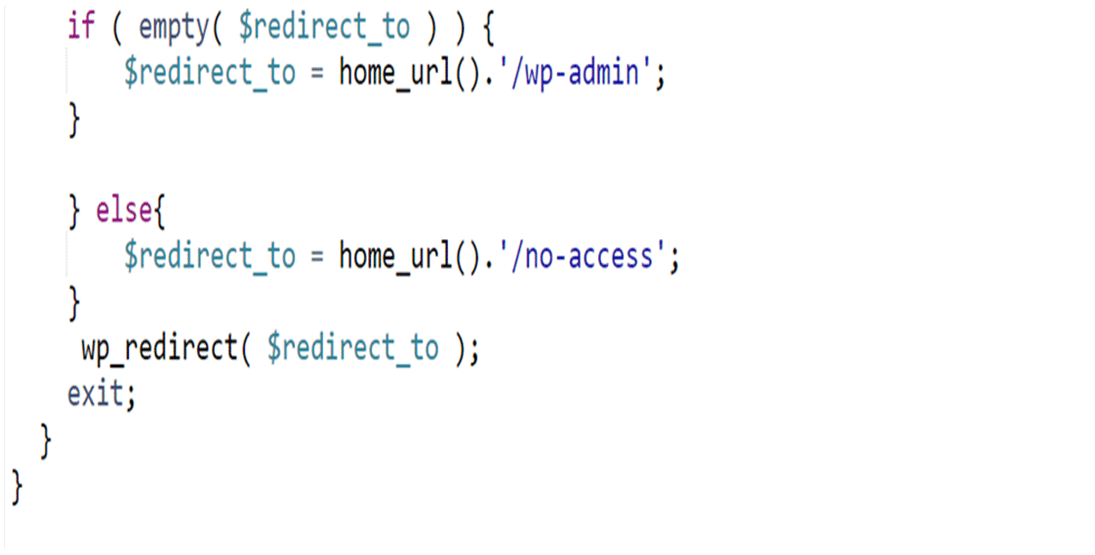
    Step 3: Add following code on function file [Wordpress]

    Default login page
    New login page

    Curl function_1
    Curl function_2

    Step 4: Create two new pages:

    1. Sign in page: –

    Put shortcode [custom_microsoft_login] in the page it will redirect user to Microsoft login2. No access page: –

    For unregister user who are trying to login on site display a text massage

    “Unable to find your account….”

    Step 5: Test the Integration:

    Log out of your WordPress site.Access login page and verify the Microsoft authentication option is available. Click on Microsoft login button and ensure users can log in using their Microsoft credentials.

    Step 6: Customize the User Experience:

    Customize login and registration pages to align with your site’s design. Consider adding additional features like profile synchronization, user role mapping, etc.

    Step 7: Ensure Security:

    Monitor your Azure AD B2C app settings for any security updates or changes.

    Conclusion:

    Sum up the key steps and benefits of incorporating Microsoft authentication into WordPress. We encourage readers to implement this feature for a more flexible user experience on their websites. Implementing Microsoft authentication in WordPress is a robust process which encourages work culture and process smoother. Authentication is a very crucial part when we seek data security and content safety and which is crucial to adopt in your work culture. We At MoreYeahs are equipped with certified and experienced professionals that will support your business to operate under the optimum and latest updated safety attributes trending in the market.To get robust security and operate fearlessly it is recommended to cover your system with superlative security. Get connected with us for a free consultation for Integrating Microsoft Authentication in WordPress and get authentic WordPress Web Development Services with 360-degree support

  • 3 Major Web Development Types of 2022

    3 Major Web Development Types of 2022

    There are more than 1.88 billion websites on the web as of 2021. This percentage is increasing consistently.

    This indicates that since websites tremendously aid in a business’s expansion, the website development sector is growing steadily. Web development is your way to go – whether you are a business looking to increase awareness about your merchandise or intend to give your company’s sales a much-needed boost.

    Understanding each form of professional web development service and its technology is therefore essential in this cutthroat phase of web development. By doing so, you’ll be better able to understand how many types of web development are there. You will also be able to figure out which kind of web development is best for your project.

    What is Web Development?

    The process of creating a website is collectively referred to as “website development.”

    Programming, configurations, CMS development, markup and coding are all part of web development. It primarily involves using programming language to generate online pages or apps that can function in just about any web browser.

    The scope of website building is rather expensive. There are three distinct kinds of web development:

    • Front-end (“user interface”),
    • Back-end (“back-end programming”),
    • Full stack (“full stack management”).

    Each category focuses on a distinct aspect of website development, yet all of them share one common factor: they all require coding.

    Let’s start by looking at these three major web development categories and the underlying technologies. You will gain a better understanding of how each sort of web development contributes to the creation of web solutions.

    Types of Web Development

    Whether you are seeking to employ web development for your business or aspire to become a web developer yourself, you must gain an understanding of all types of web development.

    #1. Front-end web development

    Front-end development is majorly known as client-side web development. It involves using front-end technologies such as HTML, CSS, and JavaScript to build the user interface of a website. Programmers known as front end developers are responsible for a website’s aesthetic appeal. They concentrate on the user interface of a website.

    Layout, navigation, symbols, graphics, and certain other aesthetic elements are all facets of the visual elements of web development. The front-end development typically simplifies the access and navigation of web information for users. Therefore, the front-end developers work to produce effective and seamless code to create an intuitive interface.

    For websites to be optimized for both visitors and search engines whilst following security standards, front-end developers must stay up to date on the most recent web design and development trends. The programming languages used by a majority of front-end developers are:

    Front-end web development

    Languages

    HTML

    HTML is used by web designers to create the majority of static pages as well as website’s structure and appearance.

    Designers and programmers frequently use CSS to style websites.

    CSS

    A web page’s design utilizing HTML code is assisted by CSS.

    The website designer makes use of CSS to improve the website’s appearance and structure.

    JavaScript

    JavaScript imparts a website interactivity.

    JavaScript is implemented on your website to increase user engagement.

    #2. Back-end Development

    The back end, in contrast to the front end, is what website visitors do not see. Consider back-end development as the foundation upon which the website will be built. It includes writing functional code with insight to carry out essential activities and modifying the code to satisfy additional requirements. To ensure that everything functions perfectly behind the shadows, back-end programmers operate on the servers of websites, applications, and software.

    These programmers administer the code for encryption, data, and site architecture. Moreover, at the same time work with systems like servers, software platforms, APIs, and databases. This code establishes a connection between the website and the server and ensures that the information and operations are managed correctly.

    Web server-side development is another name for back-end programming. To remain abreast with the newest technological advancements, participating in online forums to discuss coding tips and get guidance from other professionals and industry experts is a great option for back-end web developers.

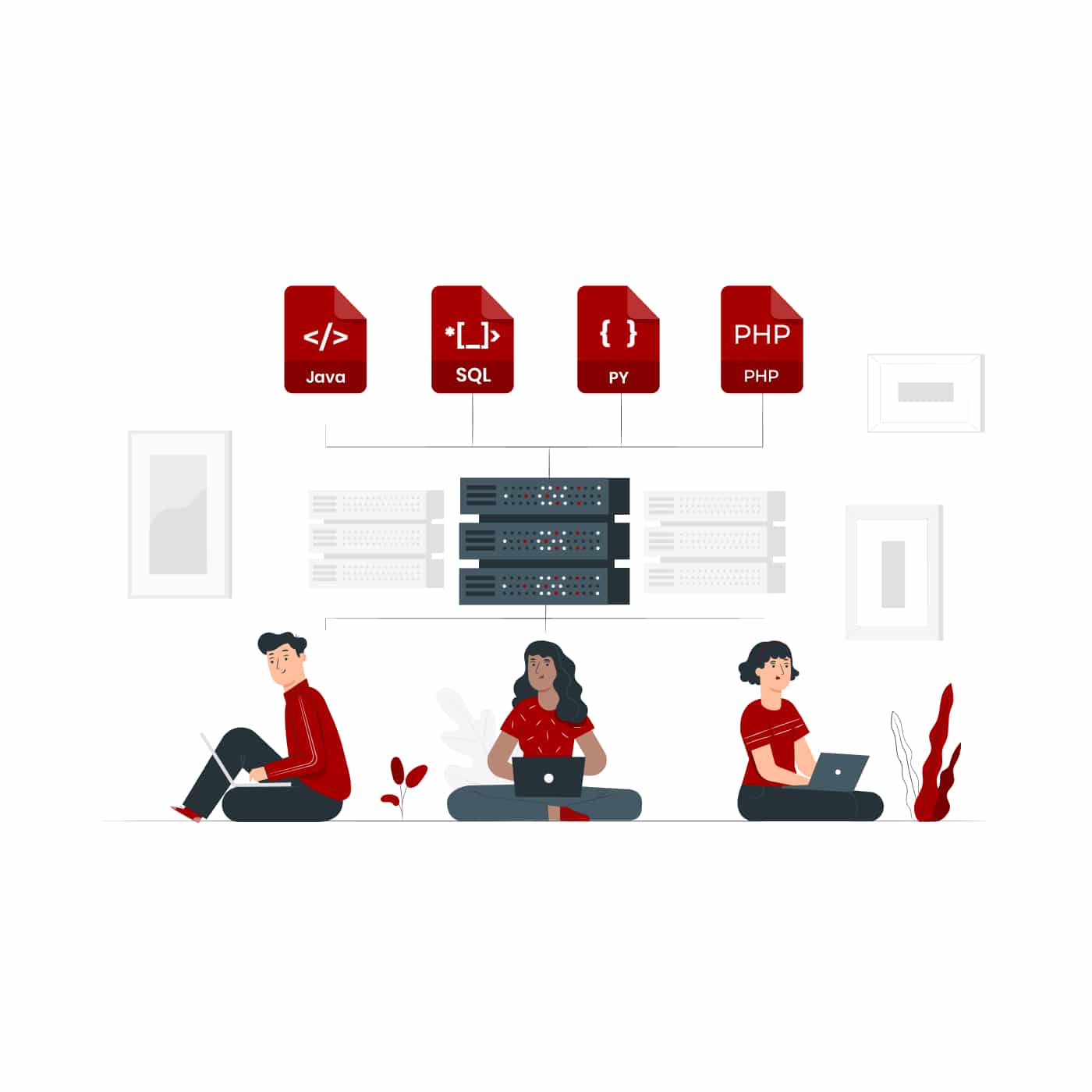
    The most widely used back-end programming languages include Java, PHP, and MySQL, whereas Python and Golang are the new additions.

    Back-end Development

    Technologies

    PHP

    Widely used language for managing databases, eCommerce websites, session monitoring, dynamic content, and other web-based projects.

    Compatible with well-known databases including MySQL, PostgreSQL, Oracle, etc.

    JAVA

    Java is employed to develop software, games, applications, and internet sites.

    SQL

    The SQL database query language makes it possible to compute massive volumes of data. Additionally, it allows us to gather data from other databases and use it to reach the target market.

    Python

    Python is simpler for programmers to understand and use.

    It can build a framework that any website can use.

    #3. Full-Stack Development

    Full-stack web development comprises both front-end and back-end functions. A full-stack developer is in charge of every stage of a website’s creation, from the server side to the user interface. Full-stack developers can manage website designing, programming, and interface optimizations, and safely integrate the website to the servers with ease.

    The term here “Stack” describes the various technologies, such as the server, interface, etc., that manage various features across a single website. Full-stack web developers are skilled at accelerating the designing and creation of a website as well as revamping and constructing it from scratch. They are frequently in charge of recognizing cutting-edge solutions that can be leveraged to improve the operational effectiveness of websites. This includes upgraded scripting languages, block chain, etc.

    Full-Stack Development

    Skills Required to Be Successful

    Knowing the forms of web development is essential. Nevertheless, it’s also critical to be conscious of all the abilities a web developer needs to possess to construct a fully functional, user-friendly website. Some of the abilities that you need to look for in a web developer include:

    • Coding Expertise :

    Excellent coding abilities are necessary for all web developers. Programming languages like HTML and CSS frame basic fundamentals. Thus, a web developer must be open to acquiring new coding skills because technology progresses rapidly.

    • Creative Approach :

    In addition to becoming discoverable by search engines, effective websites must also draw in and retain users. As such, web developers must be willing to embrace inventiveness. Plus, they must be capable of combining user engagement, optimization for search engines, and other elements to create a successful website.

    • Attention to relevant Details :

    It takes time and intellectual prowess to evaluate and troubleshoot code. This is essential for figuring out what w wrong in your code and how to rectify it.

    Key Takeaway

    The Internet will always be around and will continue to change to accommodate the needs of the users. As we leverage web development in everything from our mobile applications to our favorite social networking site, Web development services need to be at the forefront of advancements and breakthroughs.

    Furthermore, dedicating your efforts to web development can help you reap the greatest possible business outcomes. After all, the success of a company’s online presence depends on its website’s functionality and appearance.

    Websites should actively engage and offer a pleasant and smooth experience to visitors so that they continue to come back. To fulfill the requirements for profitability, websites should always be designed, revised, upgraded, and maintained. To accomplish this purpose, all three web development types are used.

    Therefore, there is a high need for proficient software developers, regardless of whether they specialize in front-end, back-end, or full-stack development types. A methodical, meticulous, dynamic person with strong communication and networking abilities will without a doubt help you flourish your business.