If these terms sound overwhelming,? Fret not! We got your back. To know what is model-based software development, its essential tools, workings, benefits, and challenges, read this blog till the end.
What is model-based software development?

If model-based development software (MBSD) is all over your social media and you are unaware, what is MBSD? We’ve got you covered!
Model-based development software is a methodology that uses models to define software behavior and structure. Instead of writing extensive code from scratch, developers create visual models to guide their work.
In model-based software engineering, the focus is on abstraction. Engineers use graphical representations to define the system, reducing ambiguity and enhancing collaboration. A key advantage is its efficiency. Unlike traditional methods, where changes require extensive rework, model-based software design allows for quick modifications with minimal effort.
As a structured methodology, model software development streamlines debugging and testing, ensuring higher software quality. Businesses that need scalability and precision often prefer this approach. Companies offering .NET development services frequently integrate MBSD to enhance software reliability and maintainability.
Model-based software development tools
Now that you know about what model-based software development is, let us highlight some important tools that shall help you in this process.
MBSD relies on modern software development tools to streamline design, testing, and deployment. These tools automate workflows, reducing manual coding errors and improving system accuracy. Platforms like MATLAB/Simulink, IBM Rational Rhapsody, and Enterprise Architect provide an efficient way to create, simulate, and validate models. Understanding what tools are used in software development shall help your business choose the right technology to enhance system performance.
Furthermore, organizations implementing model-based software development can integrate Dynamics 365 development services for improved business operations. By automating workflows and optimizing resource planning, Dynamics 365 ensures data-driven decision-making. Similarly, SharePoint application development services improve collaboration, allowing teams to centralize documentation and track project progress seamlessly.
To further automate workflows, Power Automate consulting services eliminate repetitive tasks, ensuring faster development cycles and minimizing errors. You can also seek assistance from Power Apps Consulting services to develop scalable applications with minimal coding effort. Additionally, Azure-managed services provide secure, cloud-based infrastructure for hosting and processing complex software models.
On the front end, AngularJS development services and ReactJS development services enhance UI/UX for dynamic applications, while ASP.NET development services ensure a robust backend. Also, for businesses prioritizing digital presence, WordPress development services streamline content management. With the right tools and technologies, model-based software development accelerates innovation, improves efficiency, and enhances software reliability.
How does Software Development Work?
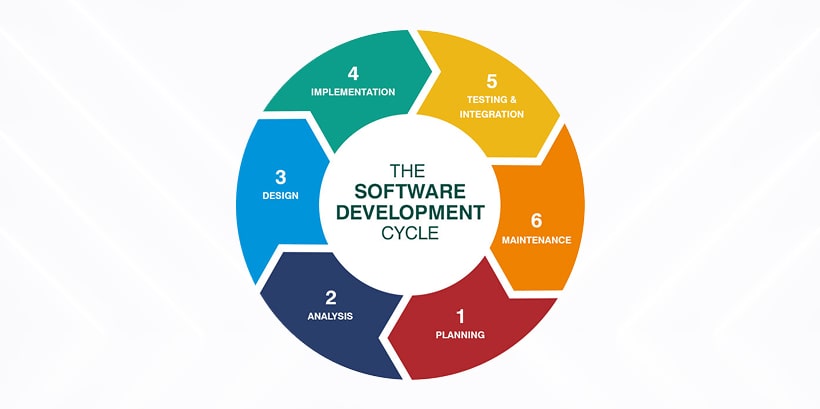
The model-based development process follows a structured process that enhances efficiency. On this note, the following points will take you through how modeling works.
-
Structured Workflow:
Model-based software development follows a structured process that enhances efficiency and reduces development risks. Its model-based design process begins with a detailed requirement analysis. This ensures that the software process models understand the business needs.Next, system modeling provides a visual representation of the software structure. The process continues with simulation and verification, allowing teams to identify and resolve potential issues early.
Finally, the implementation phase of the working model program translates validated models into functional software. Companies using .NET development services benefit from this approach, ensuring high-quality software solutions.
A systematic model-based software development cycle is crucial for building reliable software. On this note, various software process models, such as iterative and agile approaches, guide the execution of projects to ensure smooth progress. These models help developers maintain consistency and align software with business goals. Furthermore, by incorporating modern software development tools, companies can automate and streamline different stages of development.
Organizations offering Power Automate consulting services use structured models to improve workflows, reduce errors, and optimize overall software performance.
-
Risk Reduction:
A working model program helps validate software functionality before deployment, reducing development risks and saving time. This approach to model-based software development allows developers to simulate real-world scenarios. It also ensures the system behaves as expected under different conditions.
By detecting and resolving issues early, businesses avoid costly rework and delays. Also, organizations investing in ReactJS development services benefit from this structured validation, ensuring their web applications function seamlessly.
Additionally, model-based software development minimizes security vulnerabilities by addressing potential weaknesses during the simulation and verification phases.
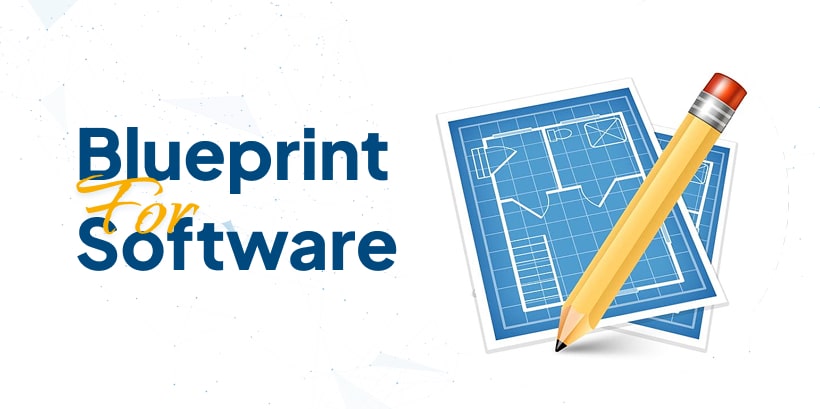
In model-based software development, models act as blueprints that define a system’s behavior, interactions, and overall performance. These graphical representations ensure clarity, allowing development teams to collaborate effectively and avoid misunderstandings.By using the tools that are used in software development, businesses can select the right modeling platforms for their needs. Organizations specializing in Angular JS development company solutions leverage model-based design processes. These help to create scalable, structured, and efficient applications with well-defined system architectures.
-
Automation & Accuracy:
One of the biggest advantages of model-based software development is its ability to automate code generation. Once validated, models produce executable code, reducing manual effort and eliminating human errors.
This automation enhances software accuracy, ensuring that the final product meets the intended specifications. Many organizations providing WordPress development services utilize model-driven automation to streamline web application development.
By leveraging modern software development tools, businesses ensure faster delivery and higher reliability while maintaining the flexibility to adapt to changing requirements.

The structured nature of model-based software development accelerates the entire development lifecycle. By using predefined models, developers reduce coding time and effort, leading to faster project completion. Additionally, automated verification and simulation allow teams to test functionalities before deployment. Organizations providing hybrid mobile app development company solutions integrate this approach to build scalable and responsive applications efficiently. With modern software development tools, businesses can enhance productivity and meet market demands more quickly while maintaining software quality.
-
Enhanced Business Applications:
Businesses that embrace modern software development tools gain a competitive edge by creating reliable and scalable applications. By incorporating model-based software development, companies can efficiently manage complex projects while minimizing risks. This structured approach ensures that applications align with user expectations and business objectives.Organizations offering DevOps Automation services integrate model-driven workflows to enhance software deployment, ensuring smooth operations and rapid delivery. These advancements improve collaboration between development and operations teams, fostering innovation and efficiency.
Benefits of Model-Based Systems Engineering
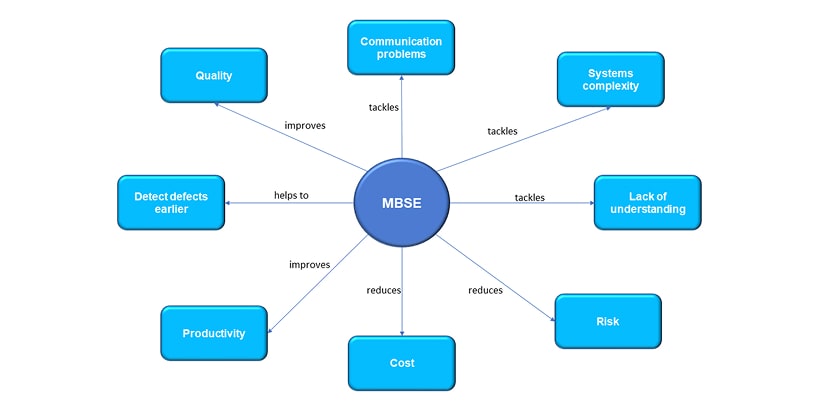
The points below will take you through some of the benefits of model-based systems and engineering.
1. Precision and Reduced Errors with Model-Based vs Model-Free Approaches
The debate between model-based vs. model-free methodologies highlights the reliability of model-based software development. A structured, model-driven approach minimizes errors by providing accurate system representations, ensuring fewer debugging issues, and higher software precision.
2.Increased Efficiency: Advantages of Model-Based Systems Engineering

One of the major advantages of Model-Based Systems Engineering is its ability to optimize efficiency. Developers can simulate and test systems before actual implementation, reducing development time. This approach integrates seamlessly with Dynamics 365 development services for improved workflow automation.
3. Better Documentation and Streamlined Workflows
The benefits of model-based engineering include well-structured documentation and improved project tracking. Using SharePoint Application Development Services, teams can centralize project documentation, ensuring transparency and accessibility across all development stages.
4. Automated Testing for Higher Reliability
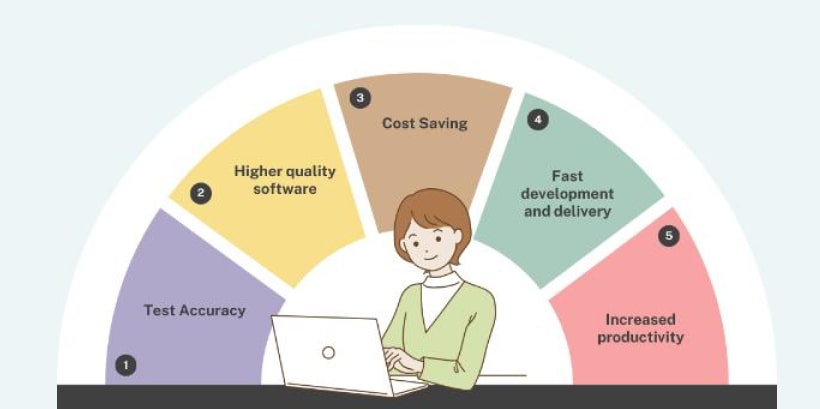
Model-based software development supports automated testing and validation, reducing manual efforts. With Power Automated consulting services, businesses can automate testing workflows, ensuring software reliability while accelerating deployment.
5. Flexibility and Cost Savings: Advantages of Model-Based Design
A key advantage of model-based design is its adaptability to business needs. Changes can be easily incorporated into models, minimizing rework. Pairing this approach with Azure-managed services provides scalable cloud infrastructure, resulting in cost savings and efficient project execution.
Challenges in Model-Based Software
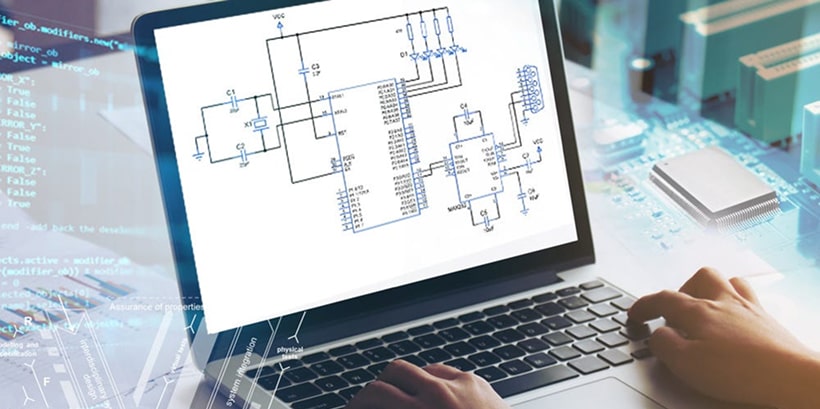
Besides the above perks of leveraging model-based software development, you must be prepared for some of its potential challenges. On this note, we have listed down some of the most common challenges that you must be aware of while discussing what MBSD is.
-
Steep Learning Curve: Challenges of Model-Based Software Development
A major challenge of model-based software development is the complexity of learning advanced tools. Developers need expertise in modeling and automation, which requires extensive training. Businesses can simplify this process by using Power Apps consulting services for low-code solutions and Dynamics 365 development services for automated workflows and data integration.

A major model-based systems engineering software challenge is integrating with legacy applications. Many existing systems are not built for model-based software development, making adoption difficult. Using ASP.NET development services can help bridge compatibility gaps by creating scalable and adaptable backend solutions.
-
Overcoming Challenges with Best Practices
Despite these obstacles, adopting best practices and seeking expert guidance can make model-based software development successful. Companies can integrate WordPress development services to enhance project collaboration and streamline documentation for better implementation.
Final Words
To conclude, by incorporating model-based software engineering techniques, your organization can improve efficiency, reduce costs, and create scalable applications. The adoption of model-based techniques also ensures compliance with industry standards while delivering high-quality software solutions.
Therefore, if you are looking for expert assistance with model-based software development for your business, our experts at MoreYeahs are happy to help. With round-the-clock service and industry-level expertise, we can help you explore different approaches to optimize your development process. So, connect with our team TODAY!
Frequently Asked Questions
What is an example of model-based design?
An example of model-based design is using MATLAB/Simulink to develop automotive control systems. Engineers create, simulate, and test models before implementation, ensuring accuracy, reducing errors, and improving development efficiency.
What does a model developer do?
A model developer designs, builds, and tests computational models to simulate real-world systems. They use modeling tools to improve system performance, automate processes, and support decision-making in engineering, software development, and data analysis.
What is a model in software engineering?
In software engineering, a model is an abstract representation of a system, process, or concept. It helps visualize, analyze, and simulate software behavior, improving design, development, and validation before implementation.
What are the four pillars of model-based systems engineering?
The four pillars of model-based systems engineering (MBSE) are requirements management, system design, analysis and simulation, and model-based verification. These pillars ensure structured development, improved collaboration, reduced errors, and efficient system validation.
What is meant by model-driven engineering in software engineering?
Model-driven engineering (MDE) in software engineering is an approach that uses models as primary artifacts for design, analysis, and implementation, enabling automation, improving efficiency, and reducing manual coding efforts in software development.